
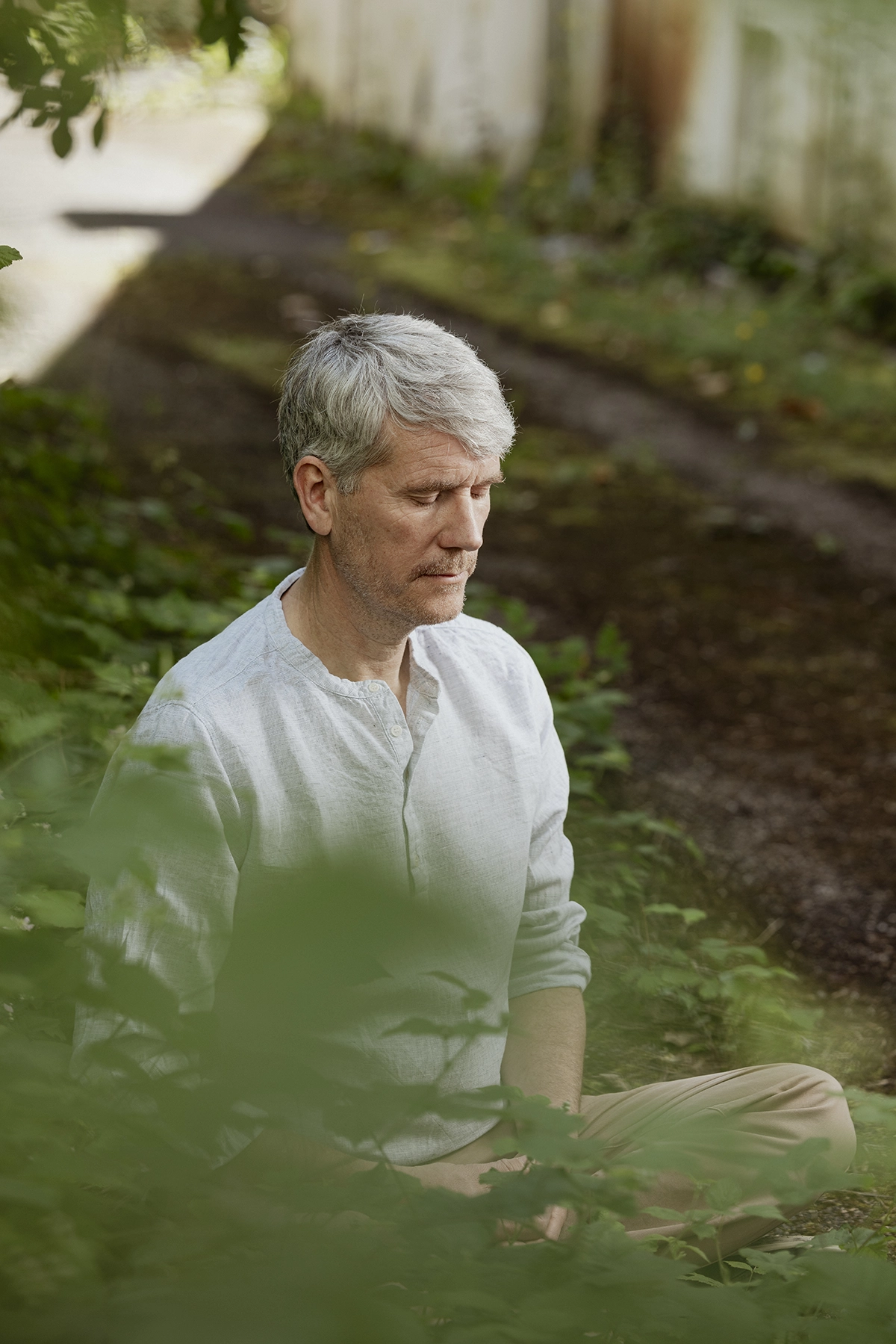
It has helped to calm down when I am stressed and anxious, it has opened up new views and perspectives on life and the world but most importantly it has made me look into my own mind and recognize who I truly am.
When we look deeply into our own mind we can develop clarity about our condition and develop compassion for ourselves and others. We can maybe for the first time feel acceptance for who we are and truly start to love ourselves. Not for what we have achieved but an unconditional love that can come through recognizing our true nature.
These inner inquiries led to early glimpses of meditative states in my youth and a formative, transformative period working with plant-medicine in my late teens.
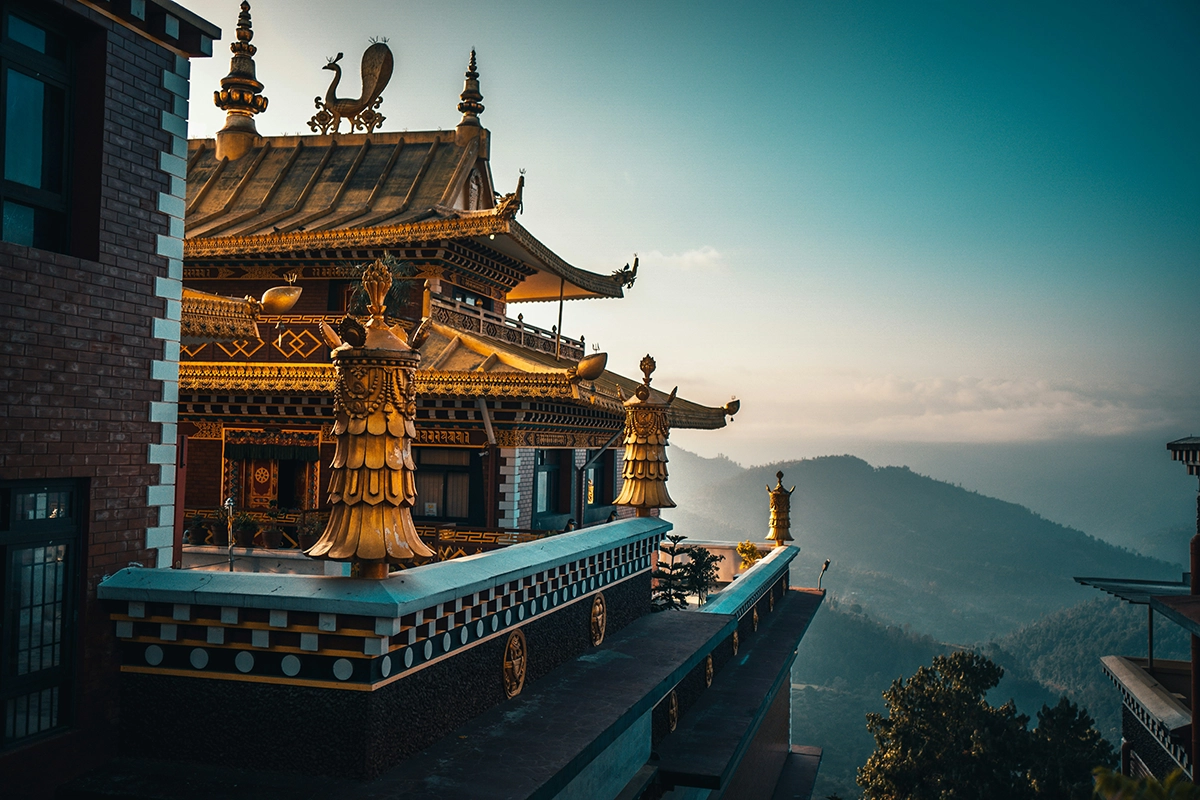
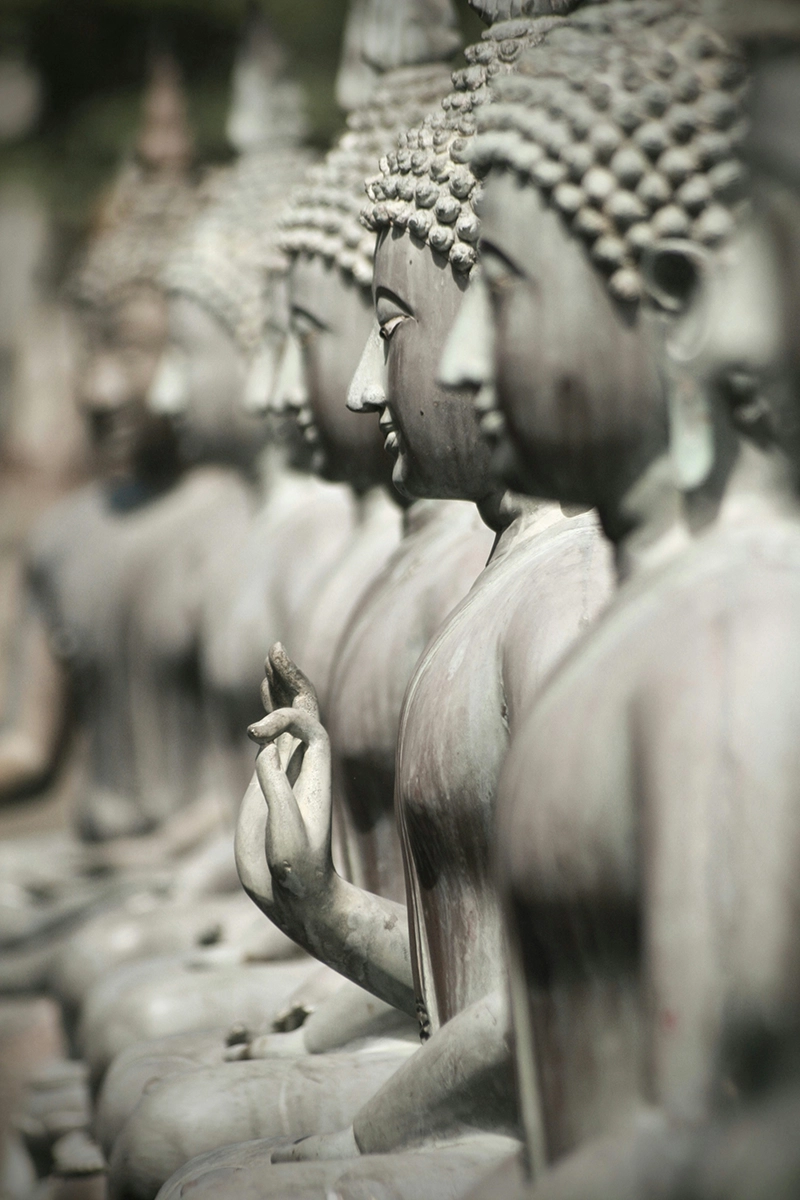
At 19, I began practicing meditation in the tradition of Vipassana, attending retreats in centers across Europe and Asia. A deepening commitment to the path brought me to the forest monasteries of Sri Lanka, with the sincere intention to ordain as a monk in the Theravāda tradition of Burma.
However, just before arriving in Burma, a radical shift in meditative insight redirected my path toward self-inquiry. That led me to the living teachings of Advaita Vedanta in the lineage of Ramana Maharshi, to Papaji, where the question “Who am I?” became a living, experiential self-inquiry. After a radical recognition of "my true face before I was born" I was drawn to Nepal, where I first encountered the teachings of Dzogchen — the Great Perfection — in the Tibetan Buddhist tradition through Tulku Urgyen Rinpoche. I continue to deepen this path of practice to this day with his two sons, Mingyur and Tsoknyi Rinpoche.
Other teachers on my path who have enriched my life and my understanding of the Dharma in many ways are Ramesh Balsekar, with his unique interpretation of Advaita Vedanta, and Willigis Jäger, with whom I was able to deepen my Zen practice over many years.
All that I have learned has come to me through the grace of my teachers. They come from very diverse backgrounds and lineages, yet what unites them is their love of truth — their love of the Dharma.
Alongside my contemplative practice, I began studying medicine in my mid-twenties and later specialized in psychiatry and psychotherapy at the University Hospitals of Zurich and Freiburg im Breisgau. Before opening my own practice in Freiburg, I worked in various leadership positions — most recently as Chief Physician and Medical Director of a psychosomatic private clinic.
In addition, I completed training as a teacher of Mindfulness-Based Stress Reduction (MBSR) and Mindfulness-Based Cognitive Therapy (MBCT), eventually becoming a senior teacher and supervisor. Further important inspiration for my path came from Rick Hanson and his approach, called ‘Positive Neuroplasticity,’ as well as from Byron Katie’s unique method of self-inquiry, ‘The Work.’
Today, my work integrates contemplative practice, psychological insight, and neuroscience—supporting others on the path of awakening while honoring the depth and complexity of the human psyche. It is a meeting of ancient wisdom and modern understanding, guided by both compassion and clarity.
And, of course, my most important teachers are those right in the midst of everyday life: my wife and our two children, who continue to be a profound source of inspiration in experiencing love and aliveness..



.svg)

